
Hadrianawards.com
Hadrianawards.com
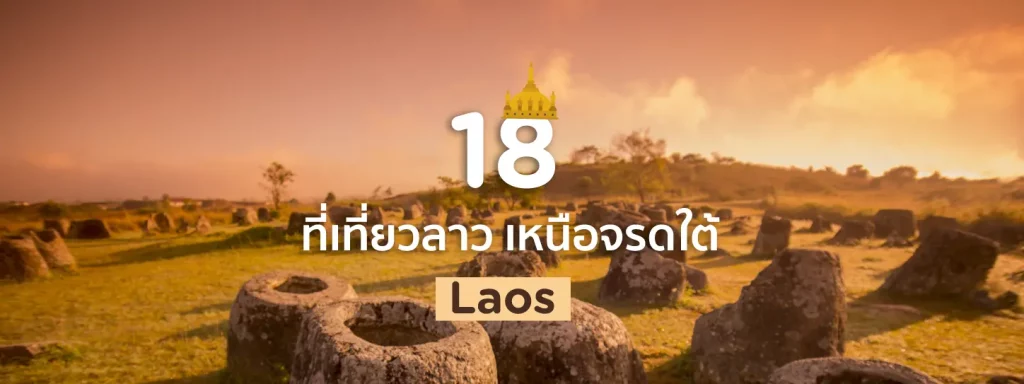
ที่เที่ยวลาว ประเทศเพื่อนบ้านที่หลายคนอาจมองข้าม ประเทศที่อุดมสมบูรณ์ไปด้วยธรรมชาติ หลากหลายวัฒนธรรม ผู้คนน่ารัก เป็นมิตร สถานที่ท่องเที่ยวลาวมีประวัติศาสตร์และประวัติศาสตร์มากมาย วันนี้จะมาแนะนำสถานที่ท่องเที่ยวยอดนิยมที่ไม่ควรพลาดในลาว ไม่ว่าจะเป็นหลวงพระบาง วังเวียง เวียงจันทน์ จำปาสัก เชียงขวาง ปากเซ
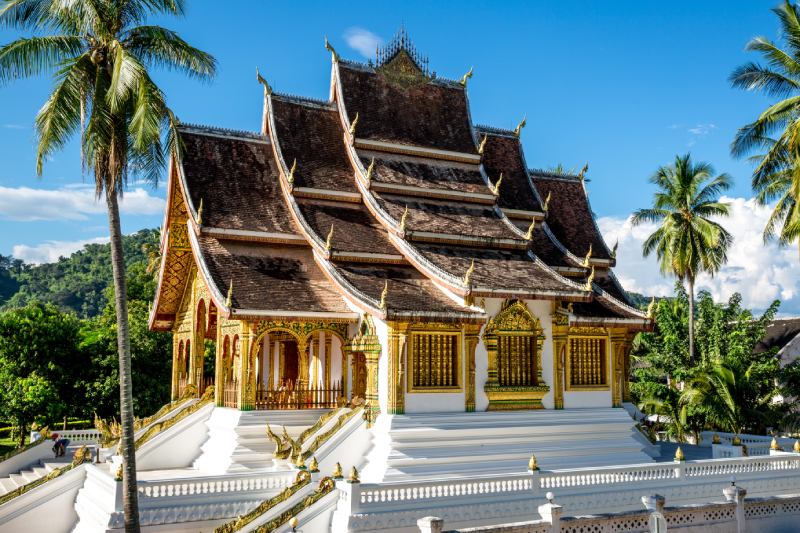
ที่เที่ยวลาว หอพิพิธภัณฑสถานแห่งชาติหลวงพระบาง หรือหอคำ ปัจจุบันเป็นพิพิธภัณฑ์เปิดให้นักท่องเที่ยวเข้าชม โดยจัดแสดงโบราณวัตถุ เช่น บัลลังก์ ธรรมาสน์ เครื่องใช้ทรงสูงและของใช้ในบ้าน พระพุทธรูป ตลอดจนของกำนัลจากต่างประเทศ ตัวอาคารเป็นอาคารชั้นเดียวยกพื้นสูง มีศิลปะยุโรปผสมล้านช้าง บริเวณหน้าประตูปูด้วยหินอ่อนจากประเทศอิตาลี มีจิตรกรรมฝาผนังบอกเล่าวิถีชีวิตและวัฒนธรรมของชาวลาว เมื่อมาเยือนลาวในหลวงพระบางก็อย่าลืมไปเยี่ยมชมความงาม
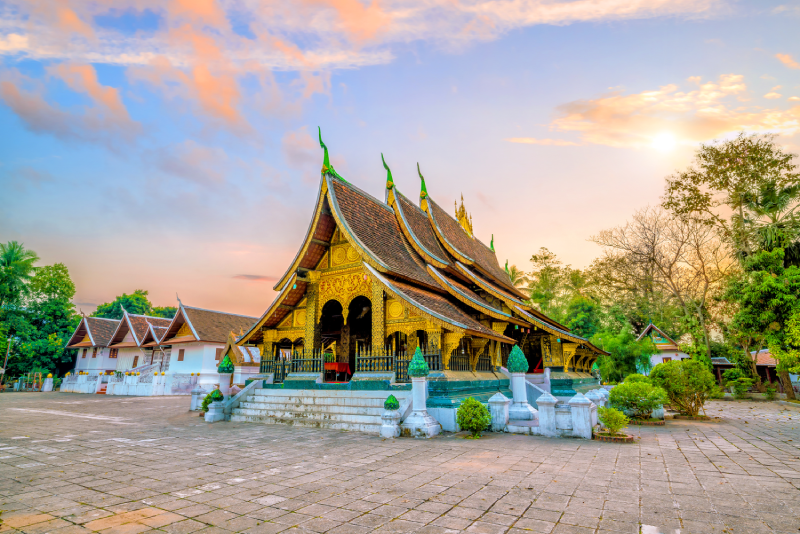
เที่ยวหลวงพระบางทั้งทีจะพลาดไปไหว้พระที่ วัดเชียงทอง เป็นวัดที่มีสถาปัตยกรรมแบบศิลปะล้านช้างภาคเหนือที่สวยงาม จนได้สมญานามว่า “อัญมณีแห่งศิลปะล้านช้าง” ด้านนอกมีความโค้งอ่อนเป็นลายคำฝก ทำเมื่อ พ.ศ. 2471 ด้านหลังมีต้นทองใหญ่ประดับกระจก ภายในสิมมีพระพุทธรูปปางมารวิชัยขนาดใหญ่ เพื่อสักการะและขอพรขอโชคลาภ นอกจากซิมแล้ว ยังมีโรงเก็บพระบรมโกศให้ชมอีกด้วย วัดเชียงทองหลวงพระบาง
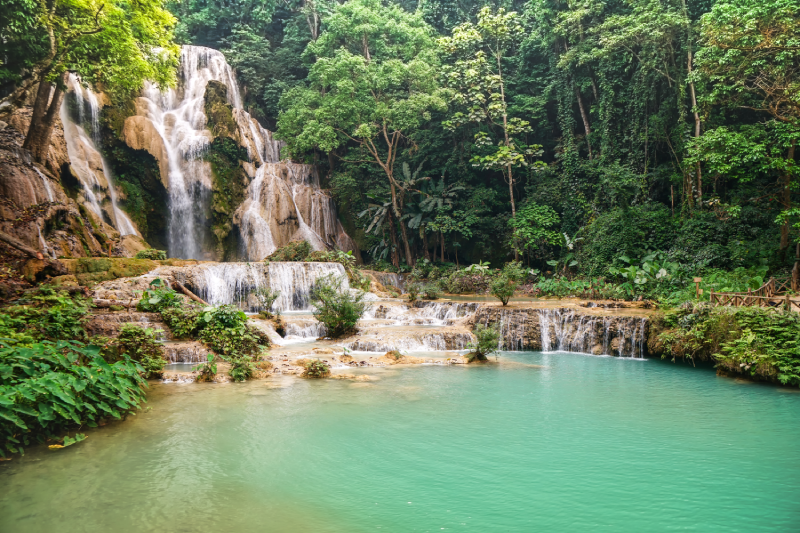
น้ำตกตาดกวางสี หรือ น้ำตกตาดกวางซี ถือเป็นน้ำตกที่สวยที่สุดในหลวงพระบาง เป็นอีกหนึ่งสถานที่ท่องเที่ยวของลาวที่ไม่ควรพลาด น้ำตกมี 4 ชั้น สูง 75 เมตร เนื่องจากเป็นน้ำตกหินปูนทำให้น้ำในน้ำตกมีสีเขียวมรกตตามธรรมชาติ ไฮไลท์ของที่นี่คือสะพานไม้ที่ทอดข้ามสระน้ำไปยืนถ่ายรูปกับน้ำตกได้ น้ำตกแห่งนี้ไม่เพียงแต่เป็นสถานที่ท่องเที่ยวยอดนิยมของชาวเอเชียเท่านั้น แต่ยังดึงดูดนักท่องเที่ยวชาวยุโรปให้มาเยือนอย่างต่อเนื่อง
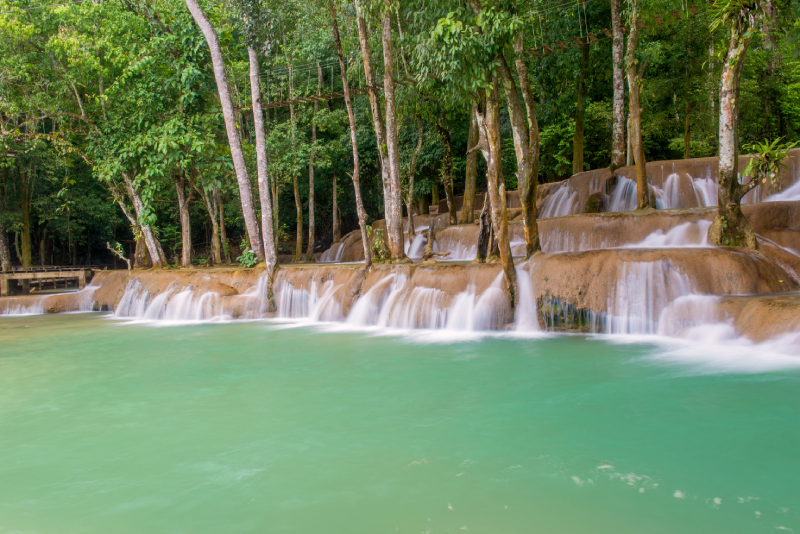
น้ำตกตาดแส้ น้ำตกสวยอีกแห่งของลาว. เป็นน้ำตกสีเขียวมรกตไม่สูงชันมากนัก ไหลไปตามลานหินที่สวยงาม ซึ่งมีน้ำตั้งแต่เดือนตุลาคมถึงกุมภาพันธ์ หากต้องการชมความงามของน้ำตกตาดแซะต้องนั่งเรือไปตามลำน้ำขานประมาณ 10 นาที
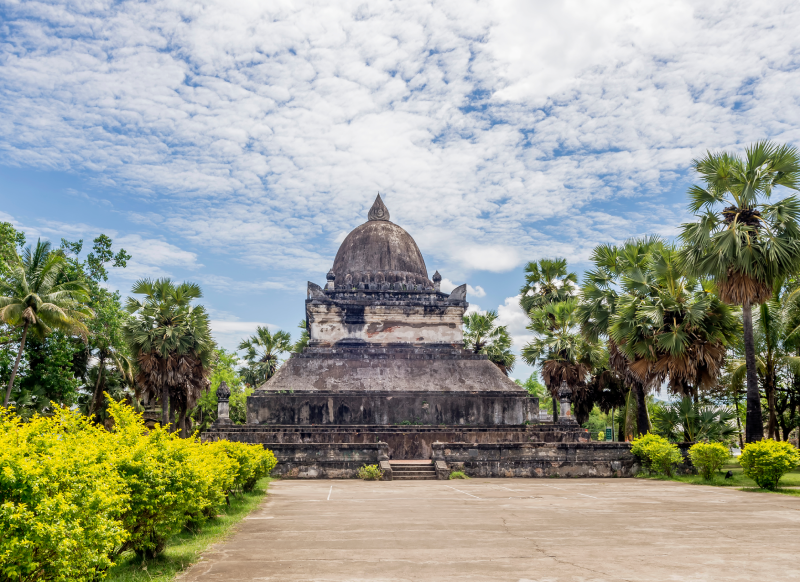
วัดวิชุนราช เป็นวัดเก่าแก่ของหลวงพระบาง มีประตูไม้แกะสลักอย่างสวยงาม สถาปัตยกรรมแบบขอม และเอกลักษณ์ของวัดคือมีเจดีย์ทรงกลมคล้ายผลแตงโม จึงเรียกว่า พระธาตุหมากโม (ธาตุปทุม) ซึ่งแตกต่างจากวัดอื่นๆ ภายในวัดมีพระพุทธรูปเก่าแก่ และจารึกในรูปแบบต่างๆ บริเวณหน้าต่างประดับด้วยมุกเม็ดใหญ่ ถ้ามาหลวงพระบางก็อย่าลืมแวะมาชมความงามของสถาปัตยกรรมกันนะครับ ที่เที่ยวลาว
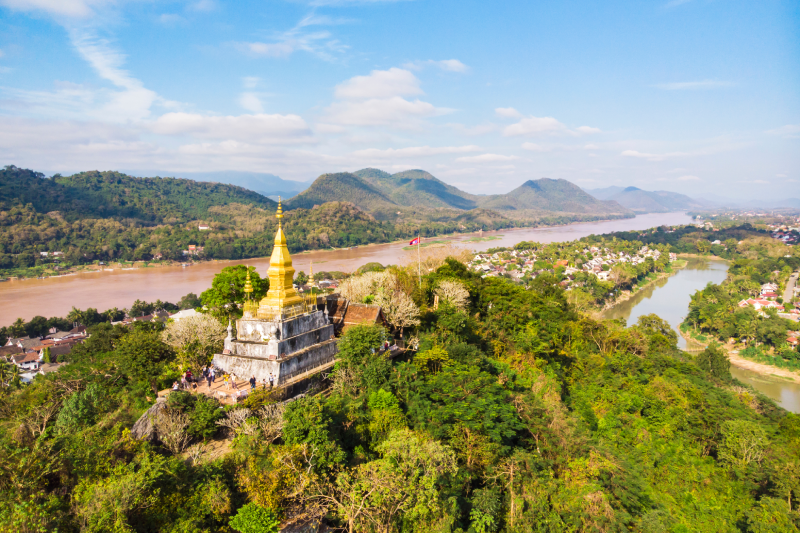
พระธาตุพูสี ตั้งอยู่ใจกลางเมืองหลวงพระบาง ตั้งอยู่บนยอดเขาสูงประมาณ 150 เมตร มีบันไดขึ้นสู่ยอดเขาพูสีจำนวน 328 ขั้น ยังเป็นจุดชมวิวที่สวยที่สุดแห่งหนึ่งของหลวงพระบางอีกด้วย หากนักท่องเที่ยวมาเที่ยวในช่วงสิ้นปีหรือวันขึ้นปีใหม่จะมีประเพณีตักบาตรพระบนเขาพูสี เป็นประเพณีที่สืบทอดมาช้านาน
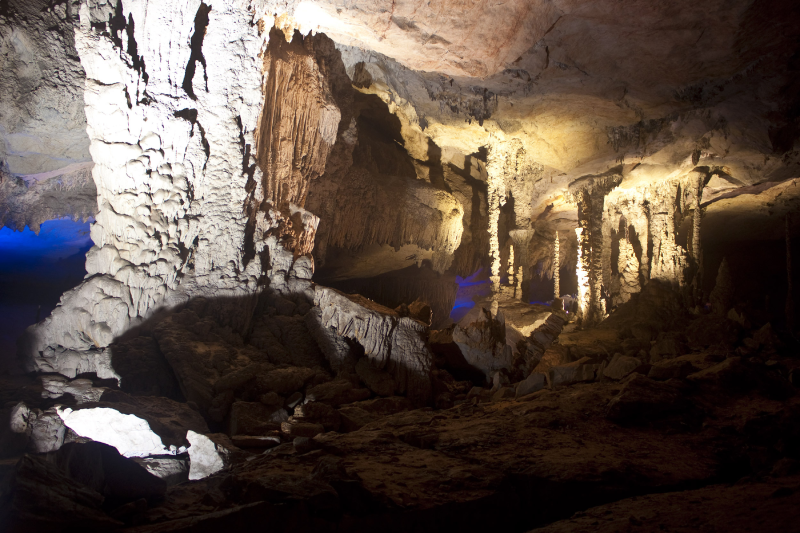
ถ้ำกองลอ อีกหนึ่งสถานที่ท่องเที่ยวที่มีชื่อเสียงและเป็นที่นิยมในลาวสำหรับคนรักธรรมชาติ เป็นถ้ำหินงอกหินย้อยที่มีอุโมงค์ยาวเกือบ 7.5 กิโลเมตร และมีหาดทรายกว้าง เป็นถ้ำที่มีน้ำไหลตลอดปี ภายในมีความสวยงาม การเข้าชมถ้ำ ต้องนั่งเรือเข้าไป มีจุดให้เรือจอดชมความงามของหน้าผา มีสันทรายที่อาจจะต้องเดินลงไป เรียกได้ว่าเป็นทริปที่ต้องหวาดเสียวอย่างแน่นอน
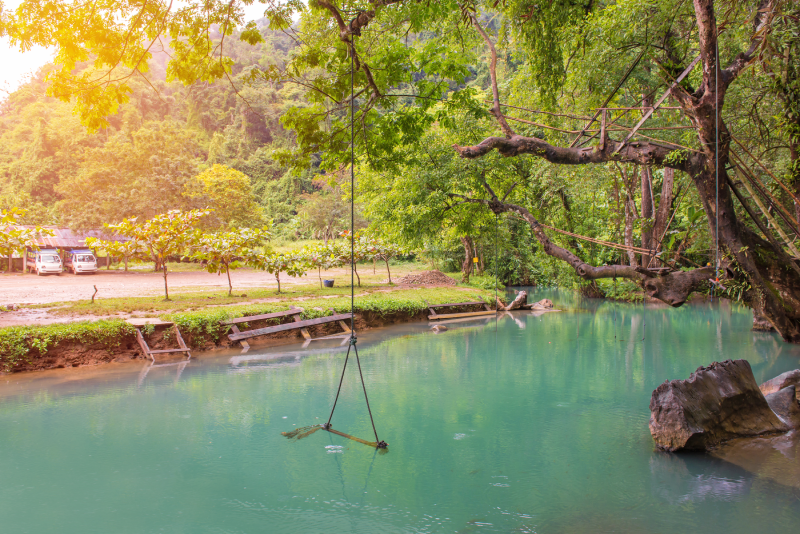
บลู ลากูน เมื่อพูดถึงวังเวียงก็ต้องนึกถึงบลูลากูน ลองนึกภาพการกระโดดในน้ำเย็นจัด เป็นสถานที่ยอดนิยมของนักท่องเที่ยวต่างชาติ เช่น จีน เกาหลี ยุโรป และอีกหลายๆ ชาติ บลูลากูนเป็นสระน้ำสีฟ้ามรกตไม่ใหญ่มาก น้ำที่นี่เย็นเพราะมาจากถ้ำปู่คำ บริเวณรอบๆบลูลากูนมีร้านค้าและร้านอาหารไว้คอยบริการนักท่องเที่ยว เวลาที่ดีที่สุดในการเยี่ยมชมบลูลากูนคือช่วงเช้า เพราะคนจะน้อย ช่วงบ่ายๆ ค่ำๆ คนค่อนข้างเยอะ
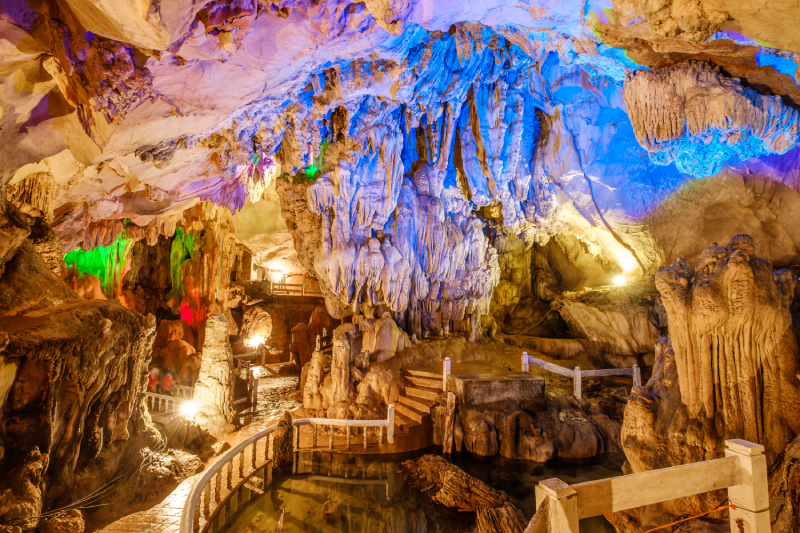
ถ้ำจัง มาจากคำว่า “จัง” แปลว่า เย็นจนเป็นน้ำแข็ง ถ้ำช้างต้องขึ้นบันได 147 ขั้น ภายในถ้ำจะมีแสงส่องผ่านให้เห็นหินงอกหินย้อยสวยงามแปลกตา อากาศภายในถ้ำหนาวเย็น จุดไฮไลท์ภายในถ้ำคือจุดเชื่อมต่อที่ปลายทางเดินด้านซ้ายที่เป็นหน้าผากั้นเป็นระเบียงชมวิวภายนอกได้อย่างสวยงาม
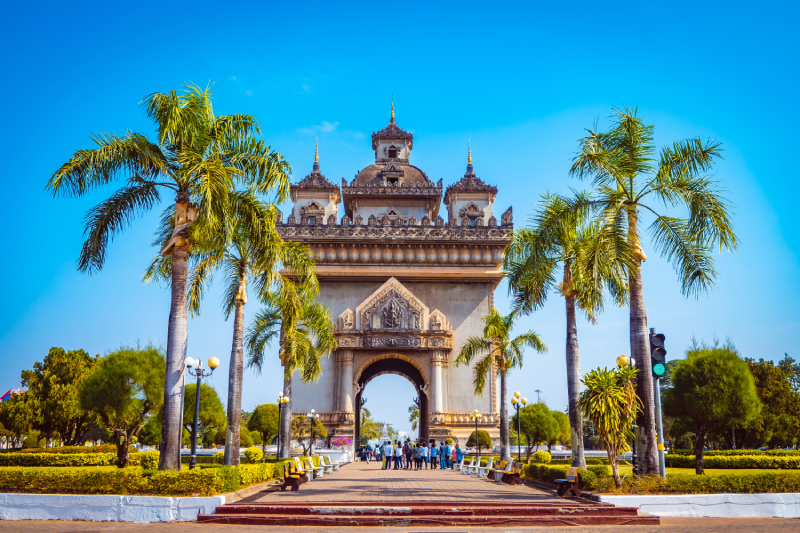
ประตูชัย ตั้งอยู่ใจกลางเวียงจันทน์ สร้างขึ้นเพื่อรำลึกถึงวีรบุรุษที่ต่อสู้เพื่อเอกราชจากฝรั่งเศส ตกแต่งด้วยศิลปะล้านช้าง มีสัตว์ต่าง ๆ ตามความเชื่อทางพุทธศาสนา เช่น กินรี พญานาค ประดับอยู่ด้วย นักท่องเที่ยวสามารถขึ้นไปชมวิวเวียงจันทน์แบบ 360 องศาได้ที่ประตูชัย นักท่องเที่ยวที่มาประตูชัยชอบมาถ่ายรูปเป็นที่ระลึก นอกจากนี้บริเวณประตูชัยยังมีการแสดงน้ำพุดนตรีและสวนประตูชัย ที่เที่ยวลาว
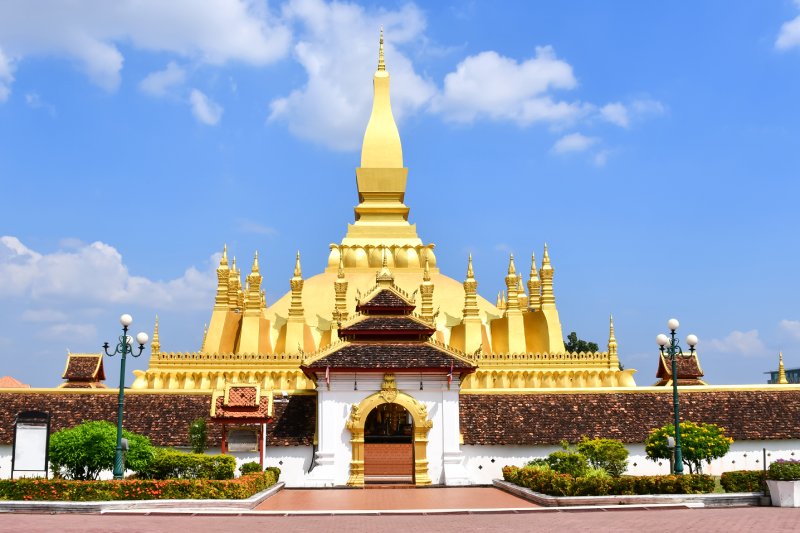
พระธาตุหลวง หรือพระเจดีย์โลกะจุฬามณี สูง 45 เมตร ลักษณะคล้ายดอกบัวตูม บนชั้นที่ 2 ของพระธาตุใหญ่มีพระธาตุองค์เล็กจำนวน 30 องค์ มีความวิจิตรงดงาม ทุกปีจะมีการจัดงานประจำปี ประเพณีบุญนมัสการพระธาตุหลวง ในวันขึ้น 13 ค่ำ เดือน 12 ซึ่งเป็นประเพณีที่สืบทอดมาแต่โบราณ ไปเวียงจันทร์ช่วงเดือนนั้นอย่าลืมไปเทศกาลนี้นะครับ
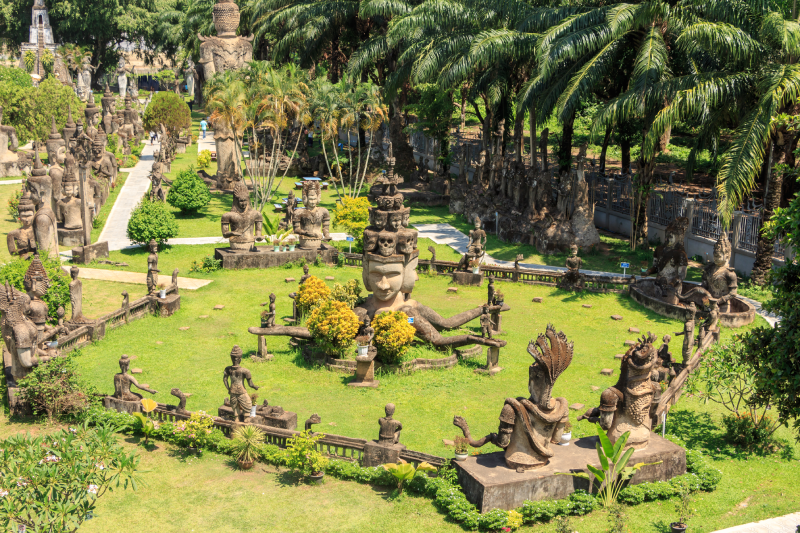
สวนพระ หรือเชียงควน. นักท่องเที่ยวหลายคนอาจเข้าใจผิดคิดว่าเป็นวัด เพราะบางคนเรียกว่าวัดเชียงควน แต่ที่นี่เป็นสวนสาธารณะจริงๆ โดยหลวงปู่บุญลือ มีการตกแต่งอย่างสวยงามด้วยพระพุทธรูปขนาดต่างๆ รูปปั้นที่โดดเด่นที่สุดคือรูปปั้นที่มีลักษณะคล้ายฟักทองยักษ์ มีประตูเดินเข้าไปอยากชมความงามของพระพุทธรูปที่สวยแปลกตา ไปเวียงจันทน์อย่าลืมแวะสวนพระแห่งนี้นะครับ
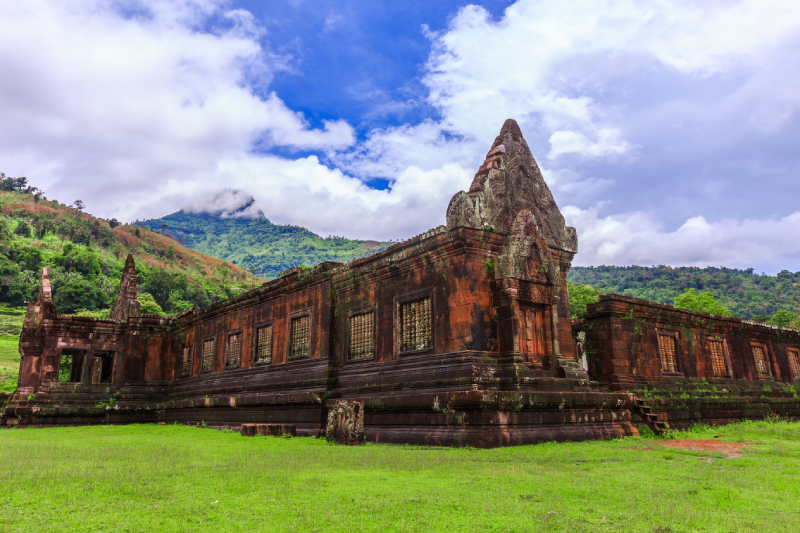
ปราสาทหินวัดพู โบราณสถานที่เป็นแหล่งท่องเที่ยวของลาวที่ไม่ควรพลาด คือ ปราสาทหินวัดโพธิ์ เป็นวัดพราหมณ์ที่อุทิศแด่พระศิวะ สร้างขึ้นในสมัยขอม ลักษณะของปราสาทเป็นแบบเทวาลัยขอม คล้ายปราสาทพระวิหาร ห่างจากเมืองเก่าจำปาสักประมาณ 6 กิโลเมตร การเดินทางเข้าชมปราสาทหินวัดพูรถใหญ่เข้าไม่ได้จึงมีบริการรถท้องถิ่นพาเข้าไป
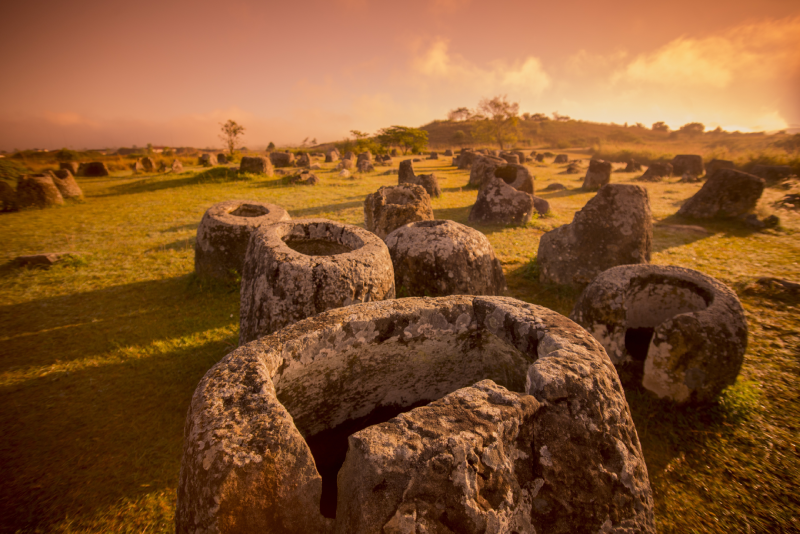
ทุ่งไหหิน ที่ราบไหเป็นที่ตั้งของก้อนหินขนาดใหญ่ กระจายอยู่ทั่วที่ราบสูงเชียงขวาง หินมีขนาดตั้งแต่ขนาดกลางไปจนถึงขนาดใหญ่ มีลักษณะเป็นหินรูปโอ่ง น้ำหนักตั้งแต่ 40-50 กิโลกรัม ถึง 15 ตัน ถูกขุดโดยนักโบราณคดีชาวลาวและญี่ปุ่น เป็นเวลากว่า 2,500-3,000 ปี ที่นี่ยังได้รับการขึ้นทะเบียนเป็นมรดกโลกจาก UNESCO อีกด้วย นับเป็นสถานที่ท่องเที่ยวอีกแห่งของลาว ความมหัศจรรย์ของอารยธรรมมนุษย์โบราณที่ไม่ควรพลาด
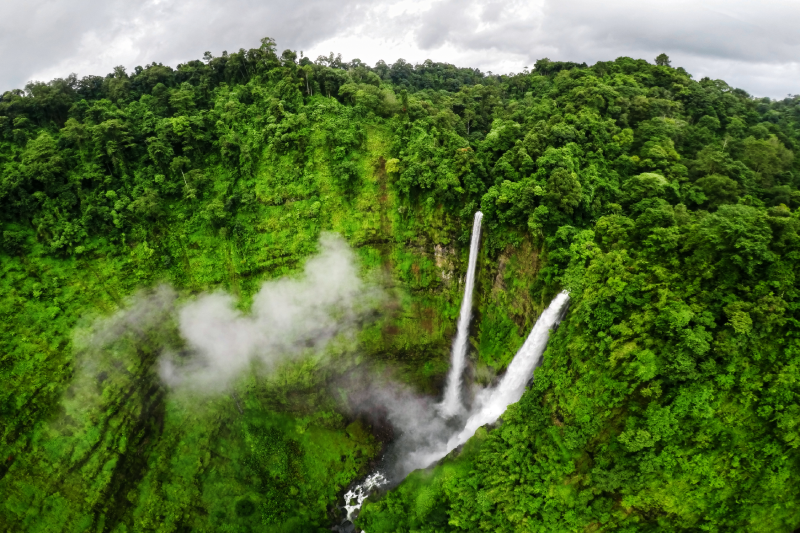
น้ำตกตาดฟาน นักผจญภัยจะต้องหลงรักที่นี่อย่างแน่นอน เพราะที่นี่ขึ้นชื่อเรื่องกิจกรรมสุดท้าทายอย่างการโหนสลิงที่น้ำตกตาดฟาน น้ำตกสูง 120 เมตรที่โอบล้อมด้วยผืนป่าอันอุดมสมบูรณ์ มีทิวทัศน์สวยงาม และบรรยากาศร่มรื่นเย็นสบาย ด้วยความสูงของน้ำตก หมอกมักจะแผ่กระจายกระทบกับแสงแดดเกิดเป็นสายรุ้งสวยงาม กิจกรรมยอดนิยมและถือเป็นไฮไลท์ที่ดึงดูดใจนักท่องเที่ยว คือ กิจกรรมซิปไลน์ ระยะทาง 450 เมตร ความสูง 500 เมตร ตลอดเส้นทางสามารถชมธรรมชาติที่สวยงามของน้ำตกตาดฟาน น้ำตกตาดฟาน อีกหนึ่งสถานที่ท่องเที่ยวในลาว ต้องเยี่ยมชม
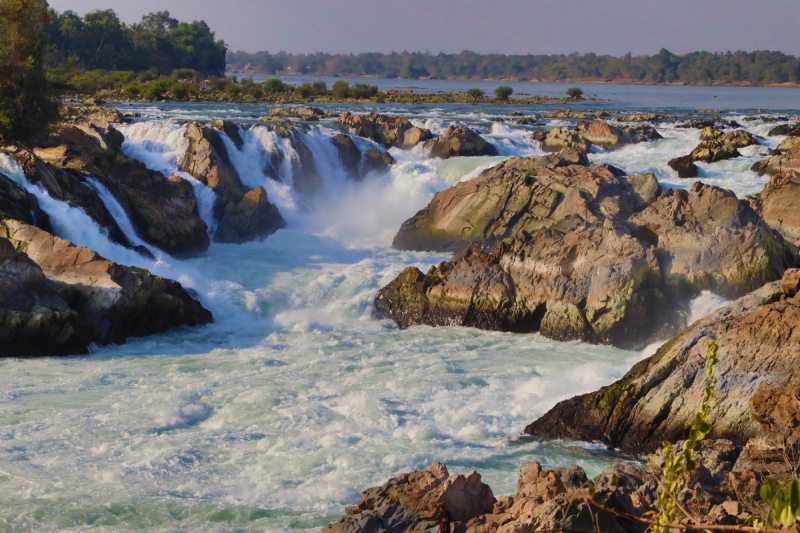
น้ำตกคอนพะเพ็ง เป็นน้ำตกขนาดใหญ่หลายชั้น น้ำตกคอนพะเพ็ง สูงประมาณ 21 เมตร “ไนแองการ่าแห่งเอเชีย” คอนพะเพ็ง มาจาก “โขน” แปลว่า “แก่ง” หรือ “เกาะ” และ “พะเพ็ง” แปลว่า “พระจันทร์เต็มดวง” มะนิโครต (Manikhot) เป็นต้นไม้ที่ชาวลาวนับถือและเชื่อว่าเป็นต้นไม้ศักดิ์สิทธิ์เช่นกัน น้ำตกคอนพะเพ็งเป็นสถานที่ท่องเที่ยวอีกแห่งของลาวที่ควรไปสักครั้ง
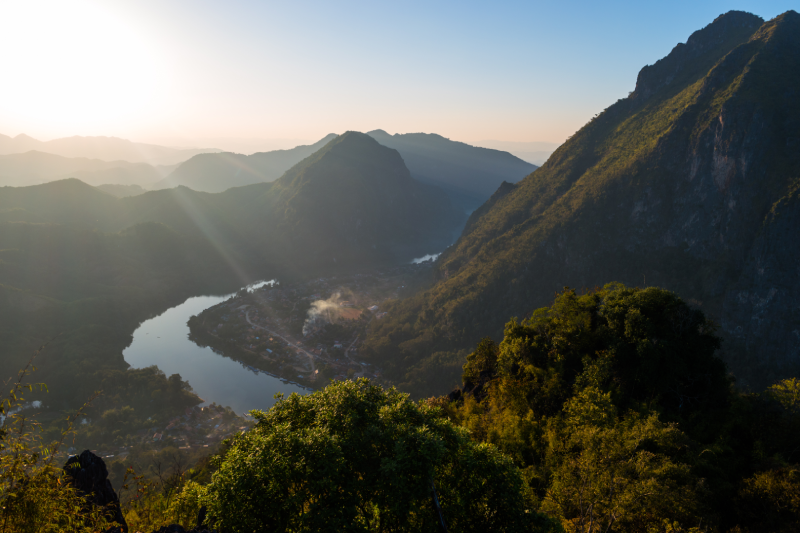
หนองเขียว เป็นเมืองเล็กๆที่เรียบง่าย ท่ามกลางธรรมชาติ เงียบสงบ เหมาะกับนักท่องเที่ยวแบ็คแพ็ค สโลว์ไลฟ์ ไฮไลท์ของหนองเขียวคือจุดชมวิว ที่สามารถชมทิวเขาที่ปกคลุมไปด้วยหมอกได้แบบ 360 องศา ลมเย็นสบาย เสน่ห์อีกอย่างของหนองเขียวคือการได้สัมผัสวิถีชีวิตของชาวหนองเขียว ในช่วงเช้าๆ จะมีตลาดที่คึกคักไปด้วยร้านค้าต่างๆ ของกิน และของใช้ ขนมพื้นบ้านที่ไม่คุ้นเคยให้คุณได้ลิ้มลอง
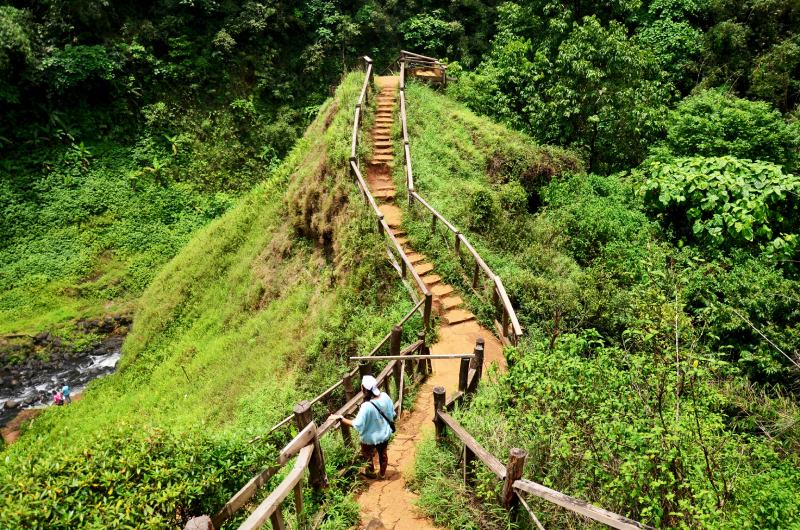
ที่เที่ยวลาว ที่ราบสูงลาวใต้ ณ อุทยานแห่งชาติดงหัวสาว ความสูงของที่ราบสูงนี้มีตั้งแต่ประมาณ 1,000–1,350 เมตร เป็นแหล่งกำเนิดของแม่น้ำและน้ำตกมากมาย อากาศเย็นสบายตลอดทั้งปี อุดมสมบูรณ์ไปด้วยป่าไม้ และที่นี่ยังมีชื่อเสียงในด้านการปลูกกาแฟพันธุ์อาราบิก้า เพราะที่นี่เป็นต้นกำเนิดของน้ำตกหลายแห่ง เช่น น้ำตกตาดฟาน ตาดผาส้วม ทำให้นักท่องเที่ยวหลั่งไหลเข้ามาไม่ขาดสาย และกิจกรรมอื่น ๆ เมื่อเดินทางมาที่นี่ ได้แก่ ล่องเรือชมไร่กาแฟ เดินป่า เยี่ยมชมหมู่บ้านชาติพันธุ์ หมู่บ้านอาลักษณ์ ที่ราบสูงโบลาเวน